
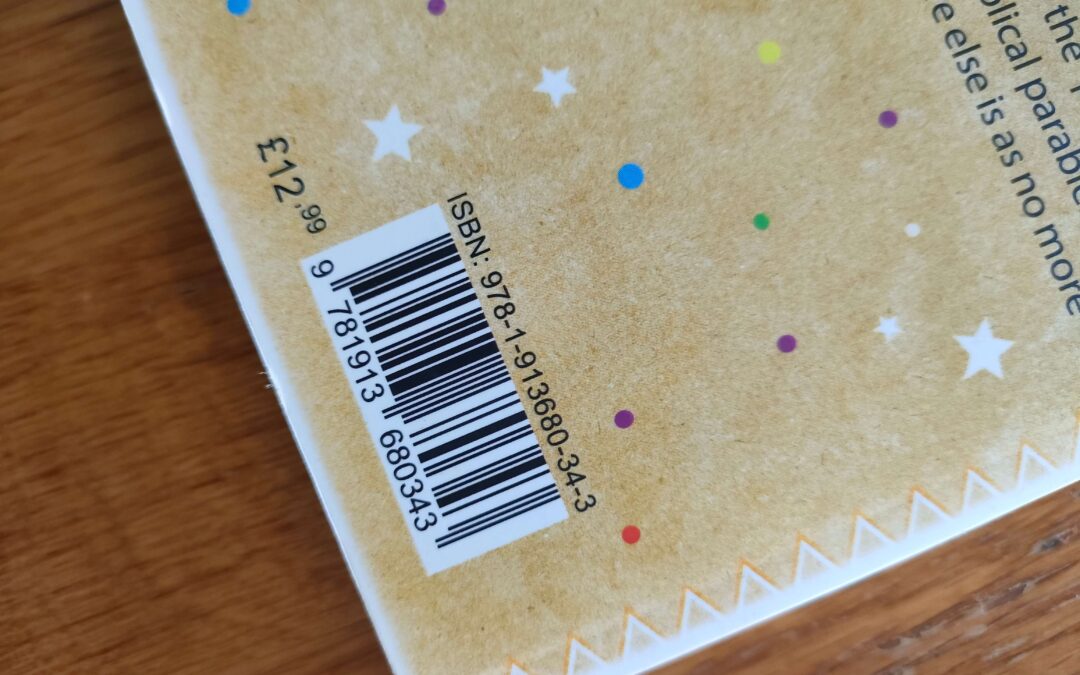
In our small Zambian literary circle, the ISBN impasse has been a stumbling block that has lasted longer than it should have. It has been a long and uncertain journey accompanied by frustrations, inadequate information, and loss. We finally seem to see a clear path ahead.
Imagine having a child but being informed that the government is unable to issue you a birth certificate. The International Standard Book Number (ISBN) is the barcode that is found on the back cover of books. The 13-digit number is used by publishers, booksellers, libraries, internet retailers, and other suppliers. The digits include elements specific to the country, publisher, edition, and form. Books can still be published without it, but their identity is hard to trace without the ISBN.
In Zambia, the responsibility of issuing ISBNs was with the Book Publishers Association of Zambia (BPAZ). Write Lake learned of the challenges of ISBNs in May 2022, when we queried the International ISBN Agency about the lack of ISBNs available. We were then notified that BPAZ had failed to meet certain obligations, resulting in the suspension of ISBN issuance to Zambia.
This dilemma was detrimental to the literary sector. In an industry finding its feet, such administrative issues can be crippling in delaying book production, distribution, and sales. Thankfully, writers continued to produce work and found alternatives. Some publishers who previously purchased ISBNs before the suspension used these. However, these ISBNs were not recognised by the International ISBN Agency as they were not recorded in their database. Others opted to publish on Amazon, which provides free ISBNs that can only be used when publishing through them. Then, some obtained ISBNs from other countries, such as South Africa, the United States, and the United Kingdom. The impact of this is that those books with ISBNs from other countries are not recognised as books published in Zambia, hence skewing the data.
This quandary had also opened the door to dubious individuals purporting to sell ISBNs to unsuspecting writers. With a literary industry that relies heavily on self-published books, there will always be avenues for people to exploit the situation. The limited and incomplete information had not helped the situation.
In 2025, efforts towards a solution began to concretise with the involvement of various organisations like Zambia Reprographic Rights Society (ZARSSO), National Arts Council (NAC), and publishers. The Ministry of Youth, Sport and Art also took a keen interest in the matter. Engagements with the International ISBN Agency did yield some results.
The first quarter of 2026 brought the news that writers and publishers had waited for. An official statement by the Chairperson of the National Arts Council of Zambia, Ms. Maureen Lilanda stated that in the interim, arrangements had been made with a neighbouring ISBN agency to support Zambian publishers on a temporary basis. Publishers had to contact the International ISBN Agency to be connected to the neighbouring ISBN agency. In this case, the agency is Namibia. This situation is far from ideal, but after years of deadlock, it is progress.
Write Lake has attempted to acquire ISBNs through the laid-out procedure, and we can confirm that we were successful in getting a few ISBNs for the authors we are working with. We were introduced to the Namibian ISBN agency by the International ISBN Agency. A form with the necessary information was submitted. A few weeks later, we got the ISBNs. At this point, no cost was incurred.
As the ISBN saga nears a conclusion, the prospect of another country issuing ISBNs raises questions of sovereignty and pride. The circumstance may not appease everyone, but it is far better than not having ISBN access at all. It has also taken longer than it should have to resolve, and we can only hope that the momentum continues. There have been suggestions that the new ISBN agency be the National Archives or the Zambia Library Service, similar to other countries. In March 2026, the International ISBN Agency issued a call to appoint a new registration agency. Whoever ends up with the opportunity should handle the responsibility with due care, and the crisis we found ourselves in shouldn’t be repeated.
Recent Comments